
Choose Landscaping Loan Options by Project Scope and Budget
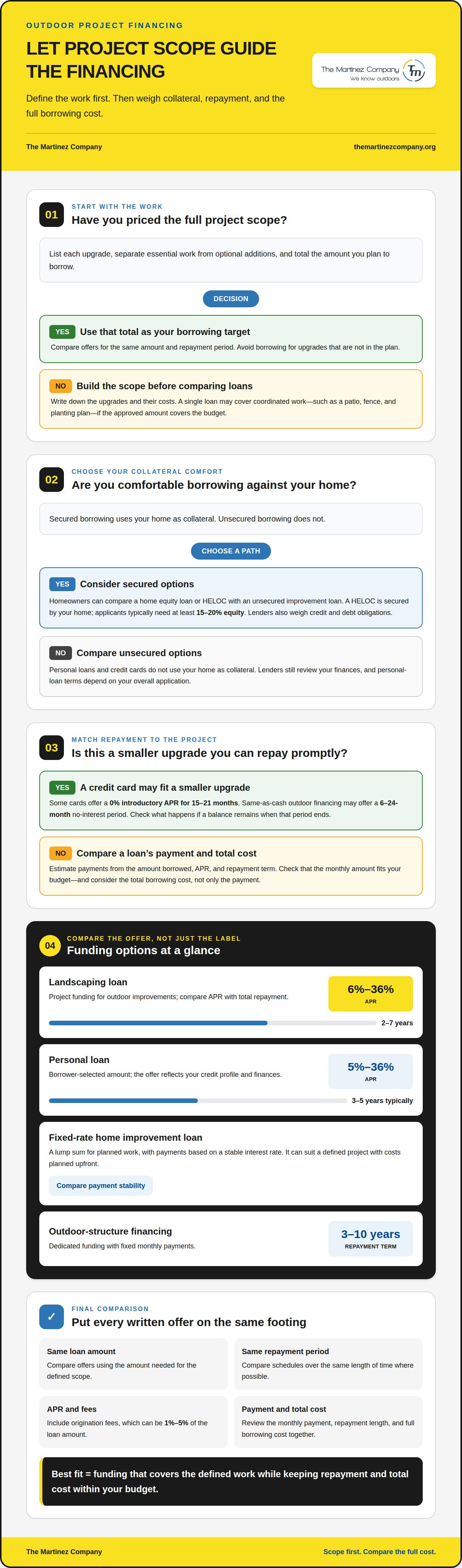
The lowest monthly payment isn’t always the best fit for a landscape you want to build and enjoy for years. A landscaping loan is a way to borrow for outdoor improvements; financing options for a large outdoor project can also include a personal loan, a home equity loan, or a HELOC. Annual percentage rates for landscaping loans range from 6% to 36%, and repayment terms can run two to seven years.
When planning a major upgrade, it’s natural to focus on the monthly payment. But the total borrowing cost, the amount you need, and your comfort with using home equity matter just as much.
This guide explains how landscaping loans work and how they compare with other common ways to fund an outdoor project. Learn how scope and budget can narrow your options, what to consider when comparing rates and repayment terms, and how home equity affects the decision. Start with a clear plan, then match financing to the work you intend to complete.
Table of Contents
Can I Finance Multiple Outdoor Upgrades Together?
Yes. A single loan may cover coordinated upgrades, such as a patio, fence, and planting plan, if the approved amount covers the project budget. Compare offers by APR, fees, fixed or variable rates, monthly payments, and repayment term.
Fixed-Rate Lump-Sum Funding
A fixed-rate home improvement loan provides a lump sum for planned work, with payments based on a stable interest rate. This structure can suit a backyard project with defined costs, such as combining concrete work and landscaping in one application. Unlike a revolving credit line, you borrow the planned amount upfront instead of drawing funds as separate upgrades proceed.
Landscaping Loan Rates and Terms
Landscaping loans are designed for outdoor improvements, with annual percentage rates ranging from 6% to 36% and repayment terms of two to seven years. A dedicated outdoor-structure financing plan may instead offer fixed monthly payments over 3-10 years. Compare the rate and term together: a longer payoff period can lower each payment while extending repayment.
Monthly Payment Estimates
Estimate payments using the amount borrowed, APR, and repayment term, then compare the result with your monthly budget.
Comparing Offers, Fees, APRs, and Terms
Compare each written offer using the same loan amount and repayment period. Include origination fees, which can be 1-5% of the loan amount, alongside the APR and payment schedule. Personal loan lenders evaluate factors such as credit profile, income, existing debts, and requested amount when assessing an application. Approval and the offered interest rate depend on that overall profile.
Choose an option that covers the full scope while keeping the payment and total cost within your budget.
Do I Need to Own My Home to Apply for Backyard Project Loans?
No. Unsecured personal loans and credit cards don’t use your home as collateral, while a HELOC is secured by your home. The right option depends on your credit profile, available equity, and ability to manage repayment.
Credit Checks and Approval Requirements
Outdoor-structure lenders commonly assess credit score, debt-to-income ratio, and repayment history. Most outdoor-structure lenders require a minimum credit score of 620 and a debt-to-income ratio below 43%. These are common benchmarks, not a guarantee of approval. HELOC applicants typically need at least 15-20% of their home’s value in equity, and lenders also weigh credit and debt obligations. A hard inquiry can temporarily lower a score by 5-10 points. Multiple hard inquiries within 45 days typically count as a single inquiry.
You don’t need home equity for an unsecured loan, but the lender will still review your finances. Owning a home matters most when you borrow against its value, as with a HELOC, because your home serves as collateral.
Credit Approval and Rate Eligibility
Approval and the interest rate offered are related but separate decisions. A lender assesses your credit profile and debt-to-income ratio to determine whether you qualify, then considers risk factors when setting your rate. For a HELOC, available equity also affects the assessment. Compare the actual offer, not just a minimum score or advertised rate, because your approved terms reflect your full application.
A credit card can suit a smaller backyard upgrade if you can repay the balance promptly. Some cards offer a 0% introductory APR for 15 to 21 months. Same-as-cash outdoor financing may offer a 6-24-month period with no interest, but understand what happens if the balance remains when that period ends.
Paying cash avoids borrowing costs, while financing preserves cash for other needs but adds scheduled repayments. Compare both options with your budget and the full cost of the planned work.
Choosing financing based on project scope and budget
Estimate the full renovation cost before choosing a loan. List each upgrade, separate essential work from optional additions, and total the amount you plan to borrow.
That cap can make a personal loan less suitable if several upgrades push the total higher. Before applying, compare the full project cost with the lender’s limit.
Homeowners can consider secured options, such as a home equity loan or HELOC, alongside an unsecured improvement loan. Secured borrowing uses your home as collateral; unsecured borrowing does not. Weigh that difference against the amount needed, payment structure, and your comfort with the repayment obligation.
Let the project scope guide your choice, not the loan’s label. When planning financing options for a large outdoor project through The Martinez Company, a clear scope helps determine how materials, layout, and included features affect your total borrowing needs.
Choose financing that covers the defined scope without borrowing for unplanned upgrades. Then compare APR, fees, repayment length, and monthly cost across offers for the same amount.
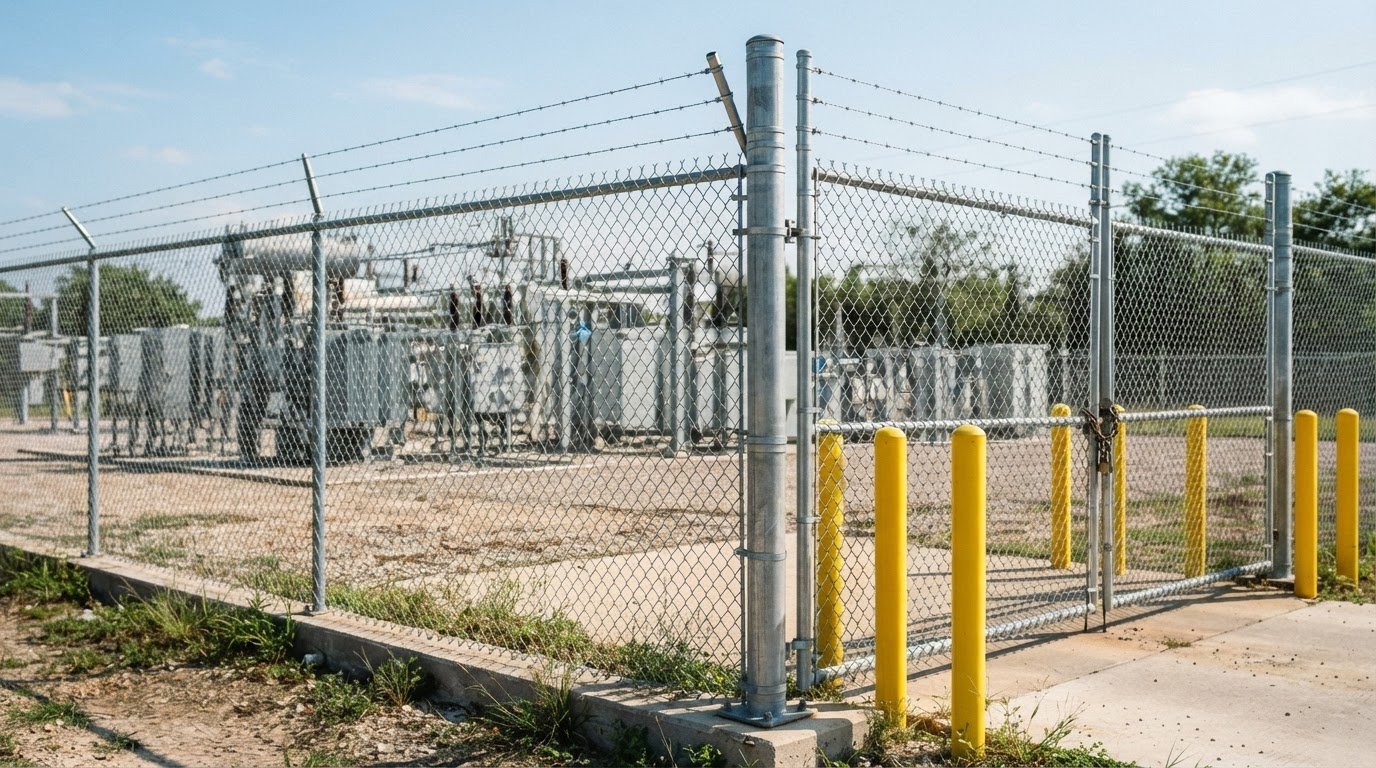
Are outdoor project expenses eligible for FHA Title I or other government-backed loans?
Some outdoor work may qualify for government-backed financing, but eligibility depends on the specific program and project. For FHA Title I or another program, match each planned expense to the stated purpose and requirements before choosing financing.
Start with a written scope. Separate structural work, such as a concrete patio, from design additions, planting, or outdoor features. Then identify which items the program allows, how funds are provided, and what borrower or property conditions apply. A project name alone doesn’t establish eligibility; the details of the work matter.
Use these steps to evaluate the fit:
List each expense. Describe the work clearly, such as patio construction, drainage changes, or a fence.
Review the program purpose. Compare each item with FHA Title I or another program’s eligible-use language.
Separate mixed projects. Mark items that fit the stated purpose and those that require another funding route.
Compare financing terms. Consider the approved amount, repayment schedule, interest rate, and any fees alongside a personal loan or home equity option.
This process is especially important when a project combines different types of work. A patio and yard redesign, for example, may include structural improvements as well as decorative elements. Classifying the items separately helps you understand which costs belong in a government-backed application and which may need separate financing. Keep the scope consistent across the project estimate and application so the funds requested match the work described.
Government backing doesn’t remove the need to compare repayment obligations. Review the total amount borrowed and payment schedule against your budget, then distinguish secured financing from unsecured options. A HELOC uses your home as collateral; personal loans don’t. Both eligible project expenses and your preferred borrowing structure shape the comparison.
Ready to define the outdoor work before weighing funding choices? Plan your outdoor project with a clear scope, from the first structural element to the finished space.
The Martinez Company: Commercial Contracting
The Martinez Company can help when your financing plan is taking shape and you’re ready to define the construction work. Its Commercial Contracting and Residential Contracting services support projects for business and home properties.
For a backyard transformation, The Martinez Company also provides Outdoor Living Spaces and Fence Installation. These services can bring outdoor structures and boundaries together in one coordinated plan. A clear scope connects the improvements you want with the construction work needed to complete them.
Bring your project vision into focus, from the overall layout to the features that will make the outdoor space useful. To discuss your project, contact The Martinez Company.
Turn Your Outdoor Plan Into a Buildable Scope
Before choosing financing options for a large outdoor project, define what you want the finished space to do. Note the essential features, the improvements that can wait, and how the elements should work together. A clear scope gives your financing decision a practical foundation and connects the next steps to the result you want.
The Martinez Company offers Commercial Contracting and Residential Contracting, including Outdoor Living Spaces. Bring your priorities together in a plan for the property, whether you’re shaping an inviting backyard or planning an outdoor environment for a business. A clear picture of the work ahead is the starting point for choosing a construction direction.
Take the next step from idea to project plan. Contact The Martinez Company to discuss your outdoor project. Your vision can become a well-defined space, built around the way you want to use it.
Frequently Asked Questions
What is a landscaping loan?
A landscaping loan is money borrowed for outdoor improvements, such as a patio, planting, or hardscaping. Depending on the lender and product, it may be an unsecured personal loan or financing tied to home equity. For example, a homeowner planning a patio and planting together can compare borrowing for the combined scope with funding each phase separately.
What financing options are available for large outdoor projects?
Homeowners can compare personal loans, home improvement loans, home equity loans, HELOCs, credit cards, and financing dedicated to outdoor structures. These financing options for a large outdoor project differ in how you access funds, whether your home secures the debt, and how repayment is scheduled. Defining the project total helps narrow the choices before you compare APR, fees, and payment structure.
Can a HELOC or home equity loan finance an outdoor project, and what are the risks?
Yes, home equity borrowing can fund outdoor work, but your home secures the debt. A HELOC is revolving credit: during its draw period, you can draw and repay funds repeatedly, and interest applies to the amount drawn. Its rate is typically variable, so payments can change. During repayment, further draws stop and you repay the remaining balance on schedule.
How do contractor financing plans compare with personal loans and credit cards?
Contractor financing, personal loans, and credit cards can differ in approval process, funding timing, promotional terms, and repayment structure. Dedicated outdoor-structure financing may spread fixed payments over 3-10 years; personal loans provide a separate borrowing arrangement, while a credit card can suit a smaller purchase. Compare the full APR and what repayment costs after any promotional period ends.
What credit score, income, and equity requirements apply to outdoor project financing?
Requirements depend on the lender and financing type. Most outdoor-structure lenders require a minimum credit score of 620 and a debt-to-income ratio below 43%. HELOC applicants typically need at least 15-20% equity in their home. Lenders also weigh credit profile and repayment capacity; income matters as part of assessing whether the requested borrowing fits the applicant’s finances.
What steps should homeowners take to budget and finance a large outdoor project safely?
First, list each planned improvement and separate essential work from optional phases. Set a borrowing limit based on a payment you can manage, then compare offers using the same loan amount and repayment period. Review APR, fees, total repayment, and promotional deadlines together. Keep a clear record of the chosen scope and funding so additions don’t quietly increase the amount borrowed.
Comments