
Fence Maintenance Checklist: How to Spot Rust, Rot, and Loose Parts
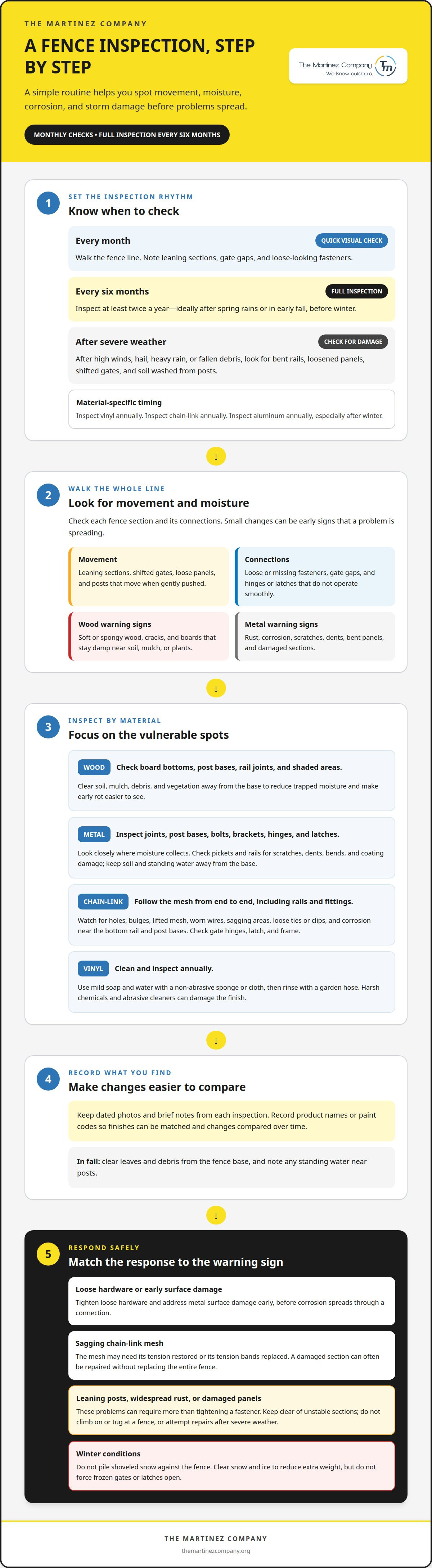
A fence can look solid while moisture quietly softens the wood at its base. A proper fence maintenance checklist for homeowners should include a quick visual review monthly and a full inspection every six months; homeowners should inspect their fences at least twice a year. Regular checks help catch small changes before they spread.
A leaning panel or a gate that won’t latch is easy to spot. Rot can be less obvious: look for soft, spongy wood, cracks, and boards that stay damp where soil, mulch, or plants press against them. For metal and chain-link fences, check for rust, corrosion, loose fasteners, and damaged sections.
This checklist from The Martinez Company covers when to inspect, what to examine on wood, metal, and chain-link fences, and which warning signs need prompt attention. It also explains how to limit moisture and vegetation damage, and when a problem may need more than tightening or cleaning. Walk the fence line, then check each section and its connections.
Table of Contents
How Often Should You Maintain a Fence?
Use a simple schedule: make a quick visual check each month and a full inspection every six months. Regular checks can reveal movement, cracks, loose hardware, or storm damage before the problem spreads.
Walk the fence line monthly and note leaning sections, gate gaps, and loose-looking fasteners; small changes can reveal movement.
Complete a full inspection twice a year, ideally after spring rains or in early fall; seasonal checks catch damage before winter.
Inspect after high winds, hail, heavy rain, or fallen debris; storms can bend rails, loosen panels, or wash soil from posts.
Keep dated photos and brief notes from each inspection. Record product names or paint codes so you can match finishes and compare changes over time. In fall, clear leaves and debris from the fence base, and note any standing water near posts.
For vinyl fencing, clean and inspect it annually. Use mild soap and water with a non-abrasive sponge or cloth, then rinse with a garden hose. Harsh chemicals and abrasive cleaners can damage the finish.
On chain-link fencing, look for holes, bulges, lifted mesh, corrosion, and loose connections. Check rails and fittings, then gently push each post to see whether it moves. Record damage and rust, especially near bottom rails and post bases.
Yes. Local rules, HOA requirements, and property boundaries can affect fence placement, appearance, and repair work. Review the requirements that apply to your property before changing a fence.
Routine maintenance and repair costs depend on the fence material, the damage, access, and the work involved. Request a quote to get pricing for your project.
For wood, clear debris and use a cleaner suited to the material. Check for soft spots and rot. Basic supplies include mild soap, a hose, a non-abrasive sponge or brush, a wrench for loose hardware, and a phone or notebook for dated records.
Metal fence rust, corrosion, fasteners, and damaged sections
Check metal fencing closely at joints, post bases, and places where moisture collects. In spring, wash away dirt and debris, then inspect each section for rust, scratches, dents, loose fasteners, and bent panels. Address surface damage early, before corrosion spreads through a connection.
Check posts for looseness by gently pushing each one; movement can signal an unstable anchor or damaged post.
Inspect bolts, brackets, hinges, and latches; tighten loose hardware and note missing or corroded fasteners.
Look over aluminum pickets and rails for scratches, dents, or bends; damaged coating can expose metal to moisture.
After winter storms, check for leaning sections, shifted gates, loose panels, and ice-related damage.
Inspect aluminum fences annually, especially after winter. Look for shifted gates, crooked pickets, and loose hardware. Keep soil and standing water away from the base, where persistent moisture can encourage corrosion. A rust-resistant sealant can help protect metal surfaces. For visible rust, remove it with a wire brush, then apply rust-inhibiting treatment and fresh paint or sealant.
Take winter precautions, too. Don’t pile shoveled snow against the fence while clearing a driveway or sidewalk. Clear snow and ice from the fence to reduce extra weight, but don’t force frozen gates or latches open. After heavy snow, ice storms, or high winds, check for leaning sections and loose panels.
For safety, don’t climb on or tug at a fence, or attempt repairs after severe weather. Keep clear of unstable sections and avoid handling sharp or loose metal parts.
Leaning posts, widespread rust, or damaged panels can require more than tightening a fastener. If a damaged fence needs replacement, explore professional fence installation as a path from weakened sections to a sound boundary.
How do I prevent rust on my chain link fence?
Inspect chain-link fencing annually for rust, corrosion, and tension problems. Check the mesh from end to end for holes, lifted sections, bulges, worn wires, and sagging areas. Pay close attention to the bottom rail and post bases, where water can collect and corrosion may start.
Look over bolts and nuts for rust, missing pieces, looseness, or signs of tampering; replace damaged fasteners with suitable hardware.
Examine ties, clips, tension bands, and brackets; loose connections can let mesh pull away from its supports.
Check the gate’s hinges, latch, and frame for rust or misalignment; lubricate hinges and latches so they move smoothly.
Keep sprinklers from constantly soaking the fence; repeated wetting can encourage corrosion over time.
Sagging mesh may need its tension restored or its tension bands replaced. A damaged section of chain-link fabric can often be repaired without replacing the entire fence. Address loose connections early, since weather and continued movement can worsen the damage. Clear away dirt and debris so emerging rust is easier to spot, especially around joints and hardware.
Ornamental metal fencing needs similar checks for movement and coating damage. Look for rust around welded joints, fasteners, and gate hinges, and note pickets that shift or rails that no longer sit straight. Scratches can expose the metal beneath its protective finish, while persistent moisture can speed corrosion. Clean affected areas and use rust-inhibiting treatment and paint or sealant suited to the fence.
Chain-link fencing has no boards to replace, so focus on the mesh, rails, and connections. If the mesh has a hole, a rail is bent, or corrosion is widespread, identify the affected section and its supporting hardware before deciding on a repair. Keep gates operating freely, and don’t force a sticking latch, since extra strain can loosen hinges or distort the frame.
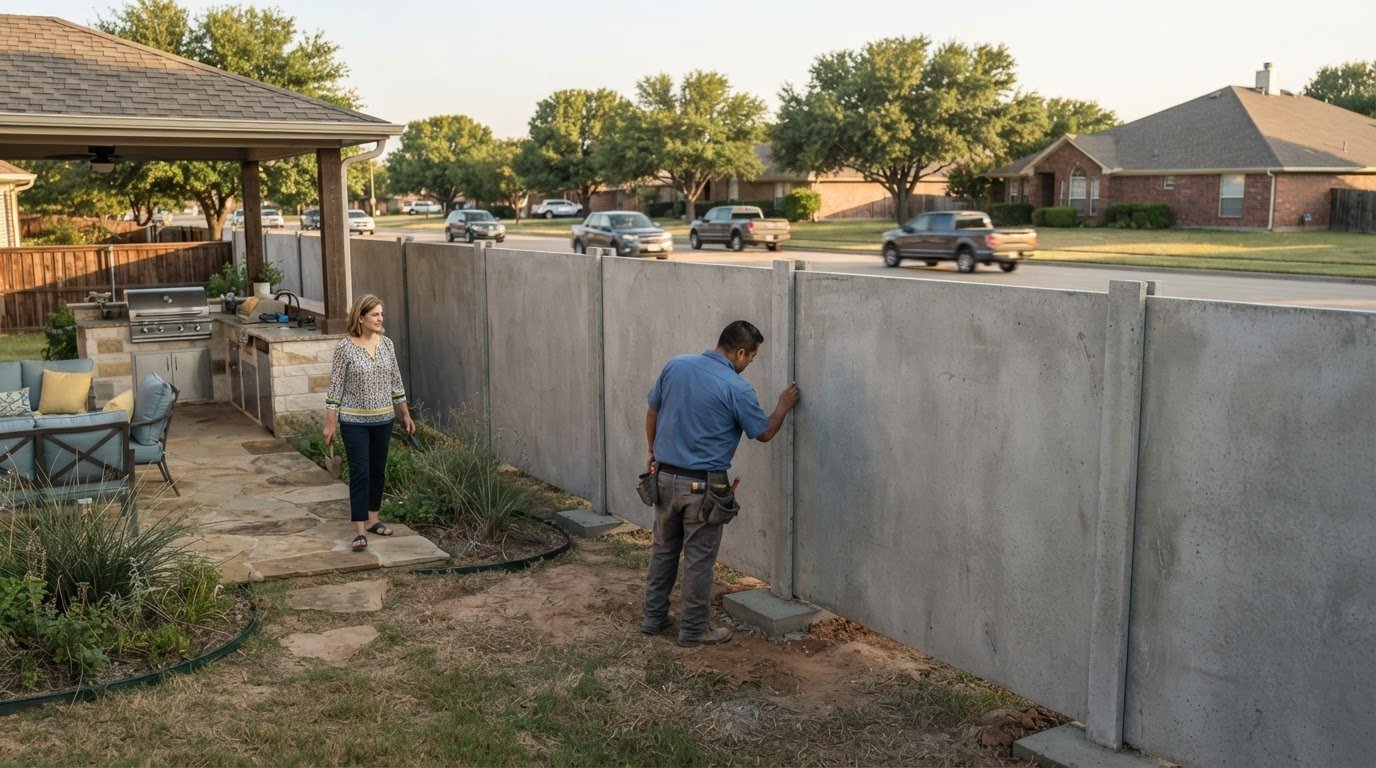
Checking wooden fences for rot
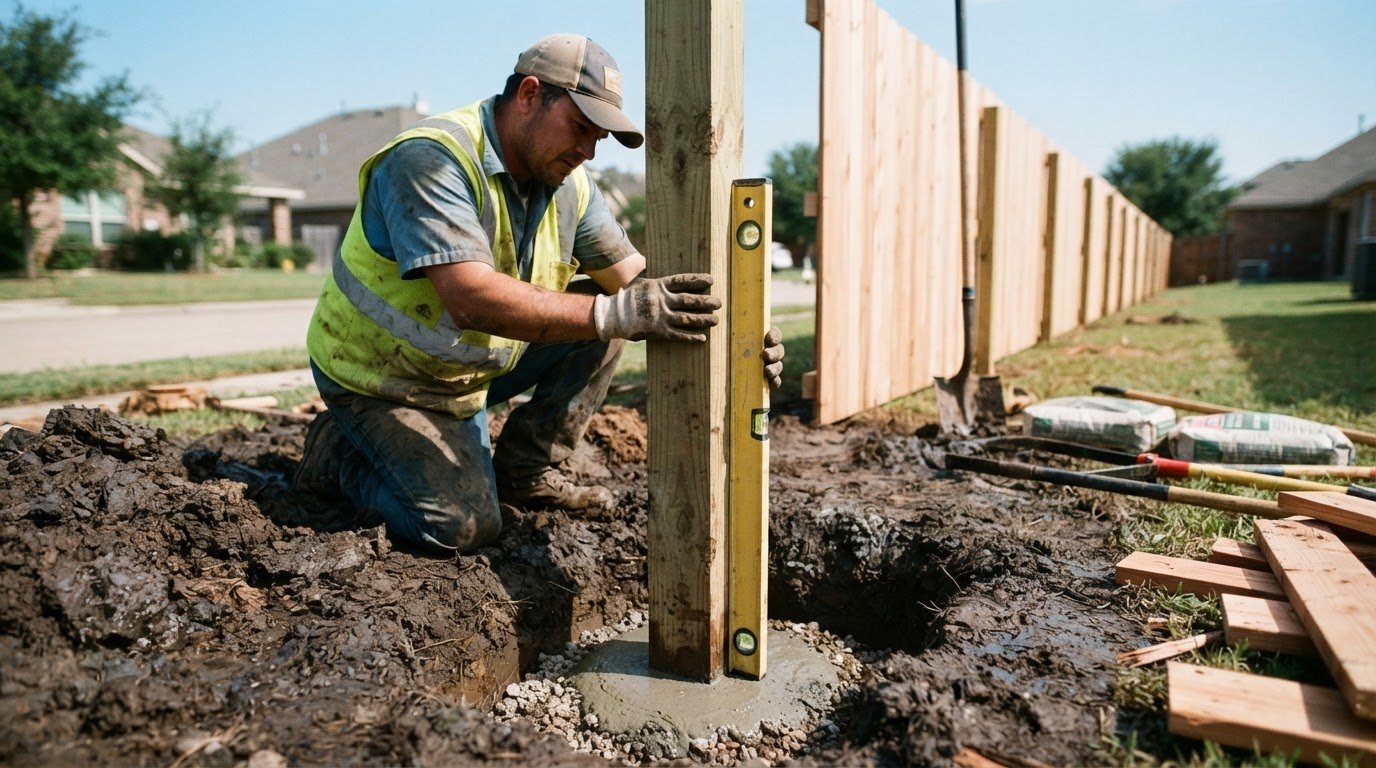
Wood rot often starts where boards meet soil, mulch, or trapped vegetation. Inspect the fence line at least twice a year, checking board bottoms, post bases, rail joints, and shaded areas. Soft or spongy wood is a warning sign; compare it with a firm section nearby.
Press suspect spots gently with a finger or tool; wood that gives way may have lost strength.
Look for cracks, peeling finish, warped boards, and dark areas that stay damp; these can expose wood to moisture.
Check posts for leaning or shifting, then look for loose rails and fasteners; rot can weaken the connections before a panel falls.
Move leaves and debris away from the base; clear airflow helps wood dry after rain.
Keep grass, shrubs, vines, and tree limbs from resting against boards. Trim vegetation that traps moisture, and adjust sprinkler heads so they don’t spray the fence. Keep soil and mulch away from wooden boards. If water pools near posts, improve drainage and clear the base, especially before winter freeze and thaw cycles.
Wash off dirt and mildew before staining or sealing. Use a cleaner suitable for wood, rinse thoroughly, and let the surface dry. A water-repellent stain or sealant helps limit water penetration and exposure to sun and weather. Reapply the protective finish every few years, depending on exposure; south- and west-facing sections may need attention sooner. If water beads on the surface, the finish is still repelling water.
After storms or winter weather, walk the full fence line again. A newly leaning post, cracked rail, or soft board may signal damage that routine cleaning won’t fix. Chain-link doesn’t develop wood rot, so focus this close inspection on wooden boards, rails, and posts. Record damaged areas with dated photos to track changes between checks.
If rot has spread through posts or multiple panels, plan a fence replacement rather than relying on surface staining to restore weakened wood.
The Martinez Company: Fence Installation
The Martinez Company installs residential fences when widespread rot, unstable posts, or damaged panels make replacement the practical next step. A fence with one loose board may need only a simple repair, but weakened sections across the fence line can call for a new structure. Replacing the fence can restore a consistent, secure enclosure.
Through residential contracting, The Martinez Company takes fence projects from planning through installation. Consider a new fence when rot has affected multiple posts or rails, or repeated damage has left the structure unstable. The right next step depends on the fence’s condition and purpose.
Contact The Martinez Company to discuss your fence installation project.
Choose the Right Next Step for Your Fence
A well-kept fence does more than mark a property line. It shapes privacy, security, and how outdoor areas feel and function. Use your inspection notes to decide whether the fence still suits your plans or whether a new fence should be part of a larger property project.
A fence maintenance checklist for homeowners turns observations into a clearer decision, but the next step may go beyond upkeep. The Martinez Company offers fence installation alongside commercial and residential contracting and outdoor living spaces, making it possible to include fence needs in a broader construction plan when that suits your project.
Whether you’re considering a replacement or planning a new outdoor space, move forward with a clear sense of what you want the finished property to do. Contact The Martinez Company to discuss your project and explore a practical path from plan to finished structure.
Frequently Asked Questions
How often should I stain or seal a wood fence in South Carolina?
In South Carolina, stain or seal a wood fence every 2 to 3 years. Sun exposure matters too: south-facing and west-facing sections may need attention sooner than shaded areas. Before applying a fresh coat, remove dirt and mildew, rinse the surface, and let the wood dry thoroughly. A water-repellent finish helps limit moisture penetration and weather exposure.
Should I Hire a Professional for Maintenance?
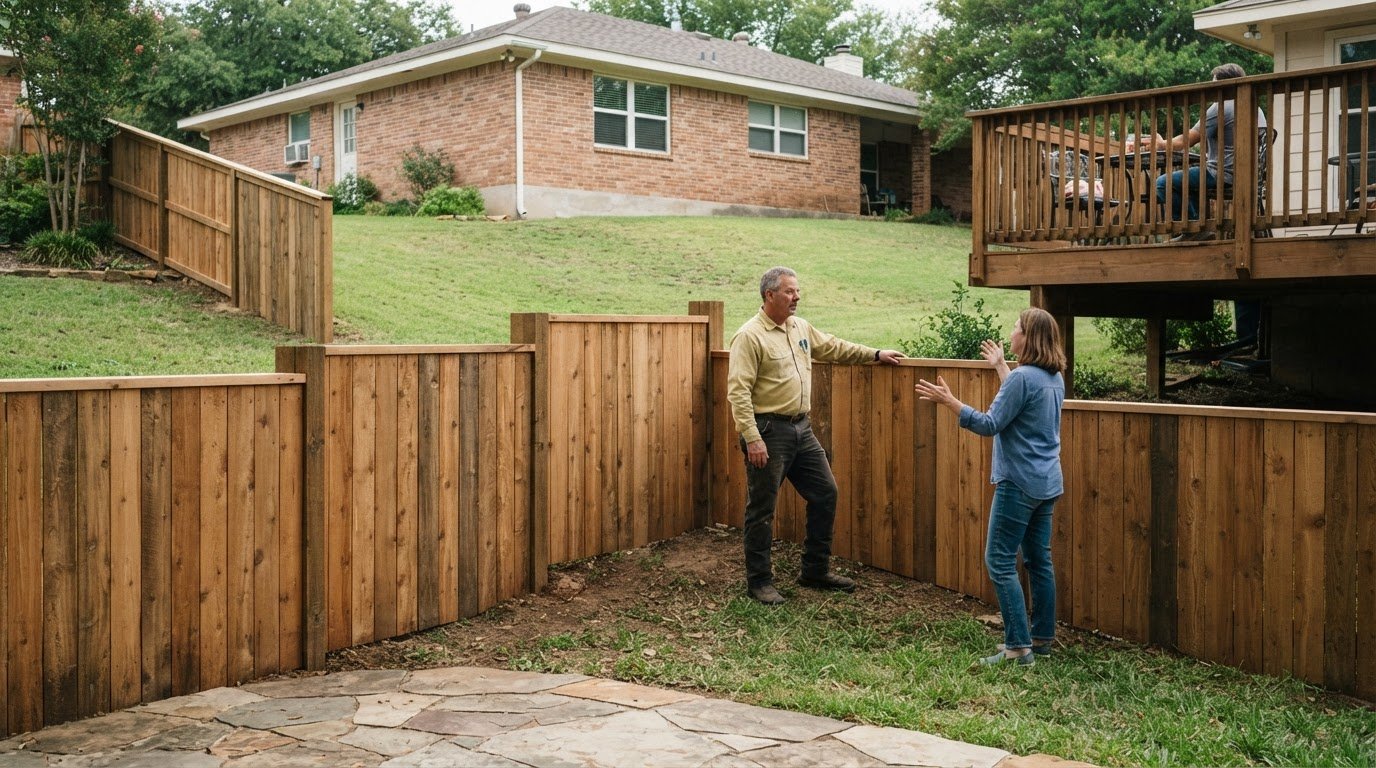
Bring in a fence professional when damage affects stability or spans several parts of the structure. Leaning posts, widespread rot, multiple damaged panels, storm damage, and gates that no longer align can require more than cleaning or tightening. A professional can assess how the posts, rails, and panels work together and determine whether targeted repairs or replacement better suit the fence.
Should I power wash my fence?
Power washing can clean a wood fence, but use low pressure to reduce the risk of surface damage. A range of 1,500 to 2,000 PSI is recommended for removing mold, mildew, and algae from wood. For vinyl, use mild soap, water, and a non-abrasive cloth or sponge instead. Avoid harsh chemicals and abrasive cleaners that can damage its finish.
What Are the Signs of a Failing Fence?
Warning signs include leaning posts, cracked rails, sagging panels, and wood that feels soft or spongy. A gate that suddenly drops or no longer lines up with its latch may also indicate movement in its support. On metal fencing, pay attention to rust at joints or connections. Check the whole structure for changes, not just one board or panel.
What should a homeowner include in an annual fence maintenance checklist?
An annual fence maintenance checklist for homeowners should record the fence material, visible damage, loose connections, gate operation, and drainage concerns. Add dated photos from the same viewing angles to make changes easier to compare. Note repairs completed and products used, including stain or paint details. These records help organize upkeep and give a clear history when assessing a recurring problem.
How often should wood, vinyl, metal, and composite fences be inspected and maintained?
Inspect fences at least twice a year and after damaging weather. Check wood for rot, cracks, and worn finish; clean and inspect vinyl annually. Examine metal for rust, loose hardware, and damaged connections. For composite fencing, look for visible movement, cracks, or loose fittings, and follow its care instructions for cleaning and upkeep.
Comments