
Pet-friendly fence solutions for dogs of every size
A six-foot fence is a common starting point for keeping a dog in, but height alone doesn’t make a yard secure. Choosing pet-friendly fence solutions for dogs means matching the design to your dog’s size, energy, and habits, whether they squeeze through gaps, dig, or climb.
It’s easy to focus on how a fence looks and overlook how your dog may interact with it. A suitable choice balances containment, comfort, upkeep, and the needs of your yard. This guide compares temporary and permanent options, explains when a solid-board wood privacy fence may help reduce outside distractions, and covers maintenance and neighborhood or HOA rules to consider before building.
Table of Contents
Temporary and removable fencing
Temporary fencing suits a rental yard, garden work, or a changing outdoor layout. Free-standing dog fencing can be dismantled and repositioned, including to keep a reactive dog away from the yard’s outside fence line. Supervise use: a determined dog may knock portable panels over or push through them. For deer exclusion, fences of 7 feet or higher are suggested, but height alone won’t stop a dog from digging beneath a barrier.
No-dig panels offer a quick way to define a smaller area. One listed garden fence measures 32 inches high by 35.4 feet long; another outdoor dog fence has 10 panels and stands 34 inches high. These are examples of temporary formats, not a guarantee of containment. Match the panel height and stability to your dog’s behavior, then watch how they respond before relying on the enclosure.
Invisible or wireless fencing doesn’t create a physical barrier, so it can’t block a dog from crossing into a road or reaching wildlife. A GPS-based virtual fence may not leave enough time to retrieve a dog before it reaches a nearby busy road. For direct containment, a physical fence creates a visible boundary that a dog cannot cross without jumping, squeezing through, or digging under it.
To reduce squeezing risks, choose openings of 2-by-4 inches, 2-by-2 inches, or smaller. Small dogs can slip through wider gaps, while a paw or head may become caught in openings that don’t suit the dog’s size. Check the space between panels and along the ground, especially where a temporary section meets a gate or permanent fence.
Traditional wooden fencing can create a solid boundary, while coated wire-mesh fencing offers another physical option. Mesh size matters: 2-by-4-inch and 2-by-2-inch openings are examples of smaller patterns. For non-electric dog fencing, select a physical design and position its supports to resist pushing. A landscape artist’s garden layout, for example, may call for removable panels around new planting beds.
In a rural yard where deer are also a concern, plan the fence around the terrain and your dog’s escape habits. A barrier intended to deter deer may still need secure ground-level edges to address digging. Walk the boundary and note low spots, gaps, and possible escape routes before deciding where temporary panels should go.
Choosing a fence based on dog size, behavior, and activity level
Choose fence height and construction by observing how your dog approaches boundaries. A small dog may fit through gaps or slip beneath panels, while an athletic dog may climb or jump. Match the design to the escape behavior, not just the dog’s weight. Also consider whether your dog reacts to people, wildlife, or activity beyond the yard.
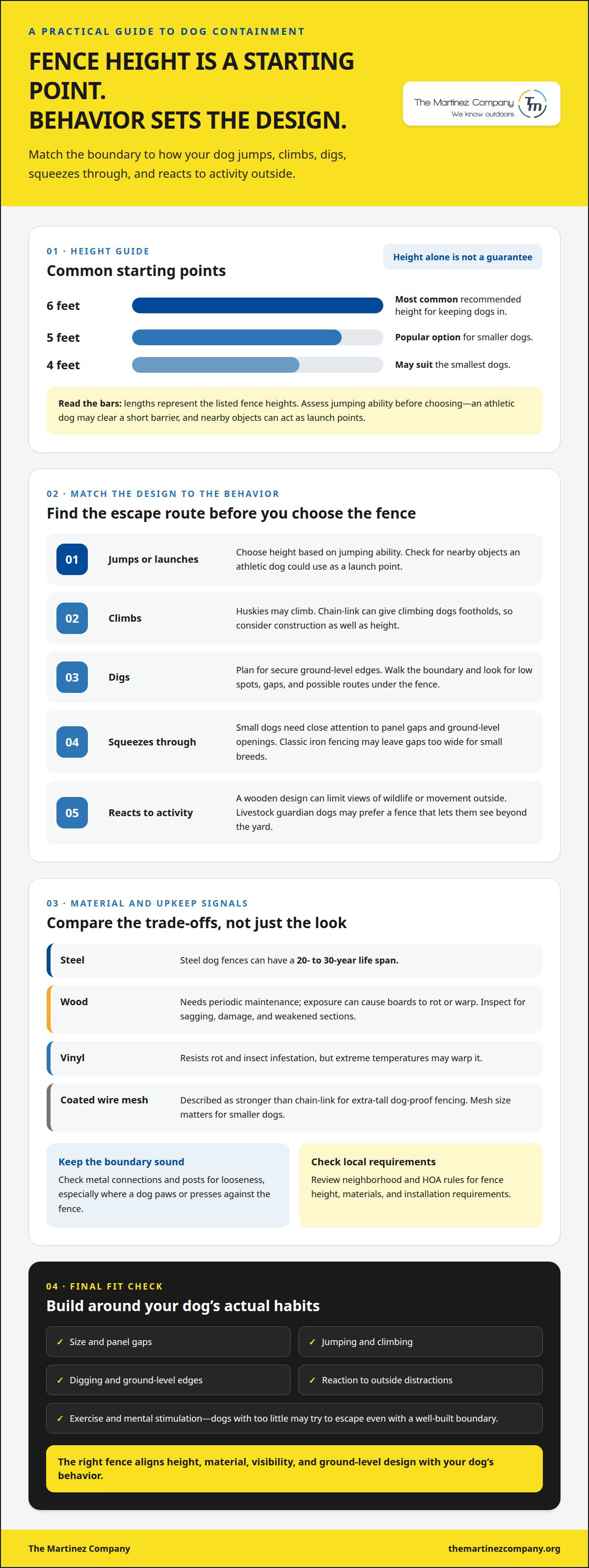
A 6-foot fence is the most common height recommended for keeping dogs in. A 5-foot fence is a popular option for smaller dogs, while a 4-foot fence may suit the smallest dogs. These heights are starting points, not a substitute for assessing jumping ability. A large, energetic dog may clear a short barrier, and an athletic dog could use nearby objects as launch points.
Identify the behavior behind each escape attempt. Huskies may climb, while dogs that dig can tunnel under a fence. Small dogs need close attention to panel gaps and ground-level openings. Chain-link can give climbing dogs footholds, and classic iron fencing may leave gaps too wide for small breeds. A wooden design can limit visibility, which may help dogs triggered by wildlife or movement outside.
Activity matters, too. Dogs with too little exercise or mental stimulation may try to escape even when a well-built boundary is in place. Build daily quality time into the routine, and consider a dog walker or doggy daycare when your dog needs more engagement. Livestock guardian dogs may prefer a fence that lets them see beyond the yard, so a solid design may not suit every dog’s behavior.
Before installing a fence, consider the dog’s size, jumping, climbing, digging, and response to outside distractions. Then align the height, material, visibility, and ground-level design with those habits. For a permanent solution tailored to the yard, explore fence installation options.
Durability, maintenance, and local regulations
Compare materials by how they handle weather, wear, and daily contact with an active dog. Steel dog fences can have a 20- to 30-year life span. Wooden fencing needs periodic maintenance because exposure can cause boards to rot or warp. Vinyl resists rot and insect infestation, but extreme temperatures may warp it. These differences affect upkeep and how reliably a fence keeps an escape artist contained.
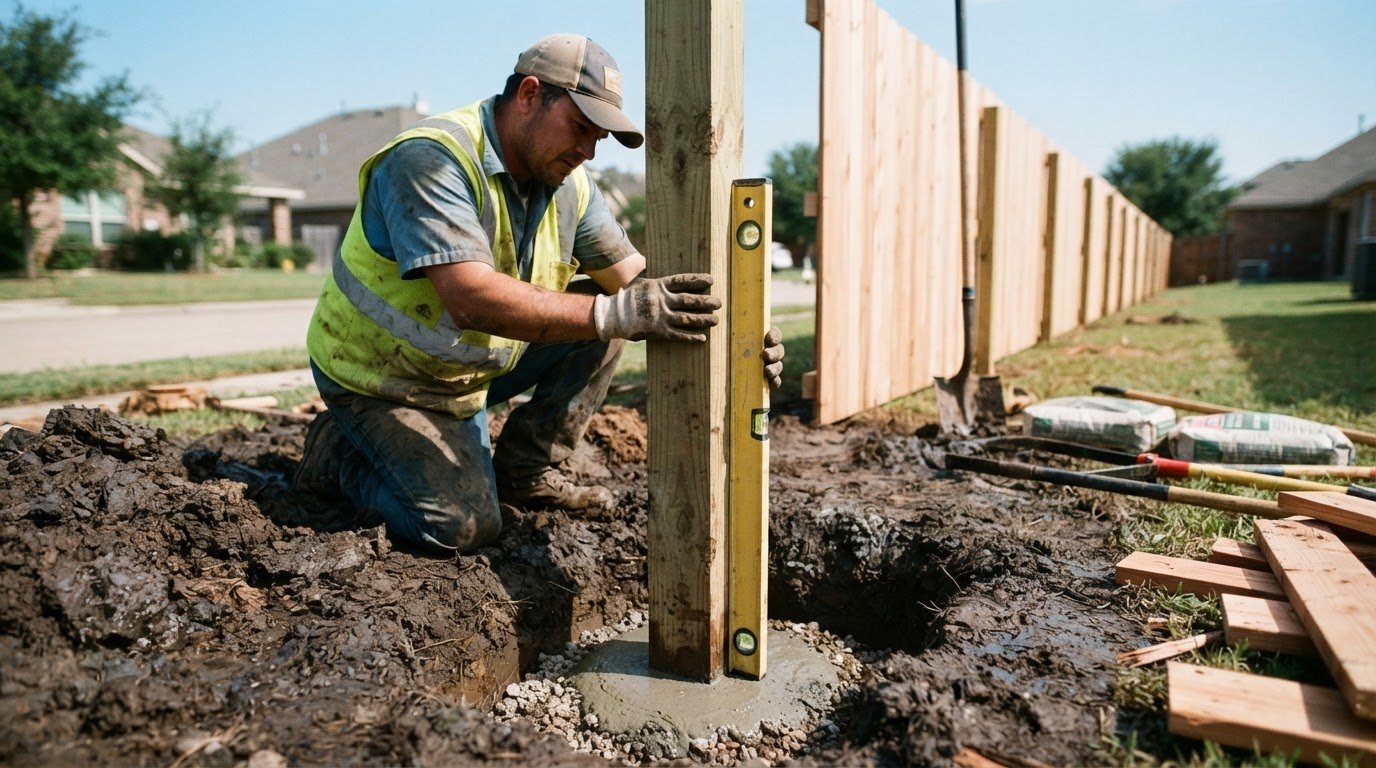
Factor maintenance into your choice. Inspect wooden boards for sagging, damage, and weakened sections, and repair them before your dog finds an exit. Check metal connections and fence posts for looseness, especially where a dog paws or presses against the boundary.
Climbing creates different demands from ordinary wear. Coated wire-mesh fencing is described as stronger than chain-link for extra-tall dog-proof fencing. Consider the fence structure alongside your dog’s habits: a secure perimeter must withstand pressure and be maintained. Review warranty terms, including what they cover, any exclusions, and whether required care affects coverage. No single material or warranty suits every yard.
Local rules can shape the final design. Before settling on a material or height, review neighborhood regulations and homeowners association rules for fence height, materials, and installation requirements. These conditions can affect which design works for your property. Include gates and boundary placement in your plan so the finished fence aligns with the approved layout and your dog’s containment needs.
Cost depends on the fence design, materials, property layout, and installation requirements; pricing is provided after a quote request. Weigh the upfront project scope against ongoing care, such as wood repairs or vinyl inspections after extreme temperatures. A durable choice is one that fits local requirements, withstands your dog’s behavior, and has a maintenance plan you can keep.
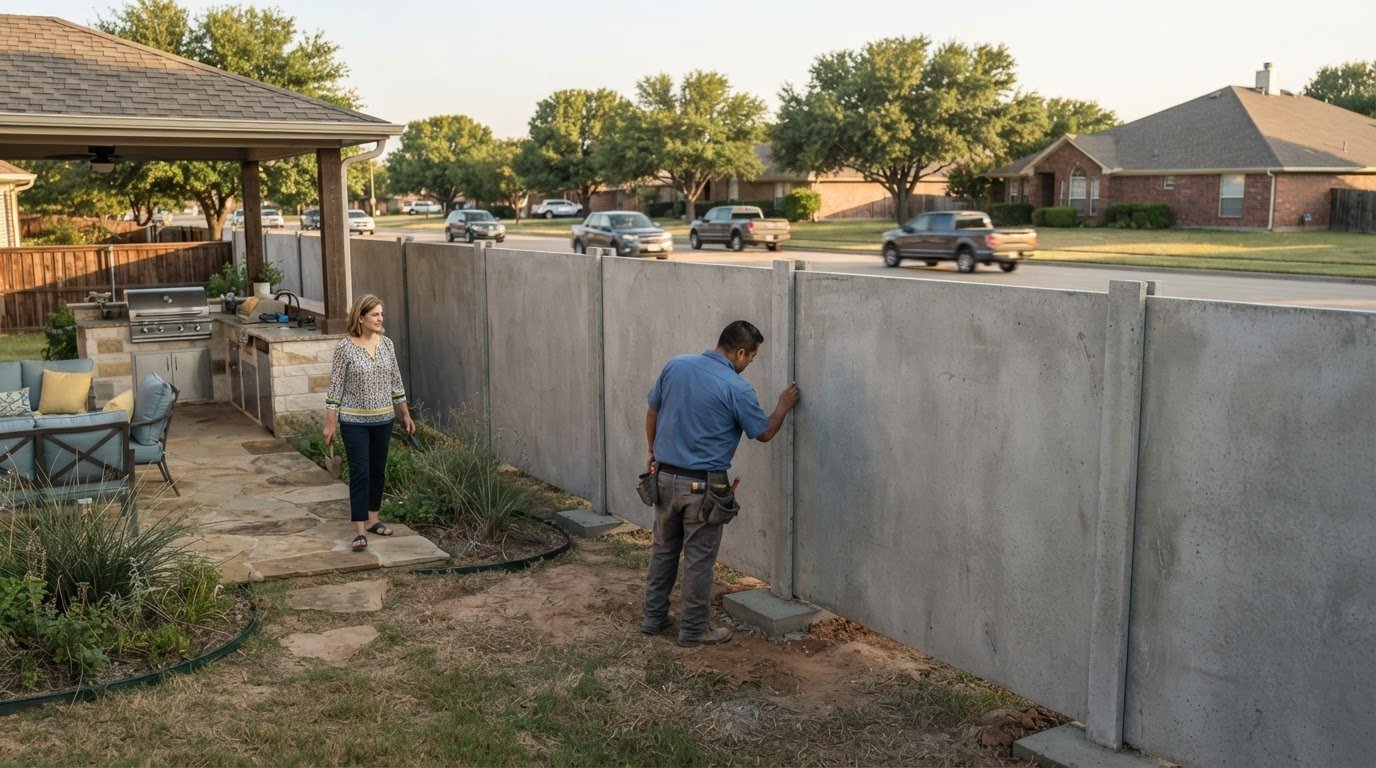
Solid-board wood privacy fences for reactive or jump-prone dogs
A solid-board fence blocks views of outside activity, which may help dogs distracted by wildlife or passersby. For climbing or escape attempts, the physical barrier also needs a design suited to your dog’s jumping ability.
Solid-Board Privacy for Reactive Dogs
For a dog that barks, stalks, or becomes agitated after spotting movement, solid-board wood can remove the visual trigger. Consider how the fence meets gates and corners, where openings may still reveal activity outside. Board-on-board construction limits airflow, which may be uncomfortable for dogs in hot climates. Balance privacy with ventilation and shade in the yard.
Fence Design for Jumping and Climbing
A large, energetic dog may clear a short fence, so choose a height that accounts for its jumping behavior. Flat-top extensions can project one foot into the enclosure, making it harder for a dog to climb over. Coyote rollers can also be installed atop existing wooden fences to disrupt a foothold. These additions address climbing, but sound boards and secure gates still matter.
Look beyond the fence line. A hedge beside an iron fence can act as a launch platform for an athletic dog, while footholds along a wooden barrier may make climbing easier. Keep objects and dense landscaping away from the fence where possible. Inspect the full perimeter, including gate edges, for routes an escape-prone dog could use.
Wood needs regular care to remain an effective barrier. Stain it periodically and repair damaged or sagging boards before gaps form. A cracked board can become a weak point and a view through to outside distractions. Inspect the fence after exposure to weather and after your dog has repeatedly pawed or pushed against a section.
Pair solid boards with a suitable height, remove nearby climbing aids, and maintain the wood. Plan a solid-board privacy fence that fits your yard and your dog’s behavior.
The Martinez Company: Fence Installation
The Martinez Company installs fences for residential and commercial projects, planning a physical boundary around your dog’s containment needs and the property layout. Consider this next step when you’re moving from comparing fence designs to choosing a permanent installation, especially if your priorities include privacy, limiting climbing opportunities, or accommodating outdoor living spaces.
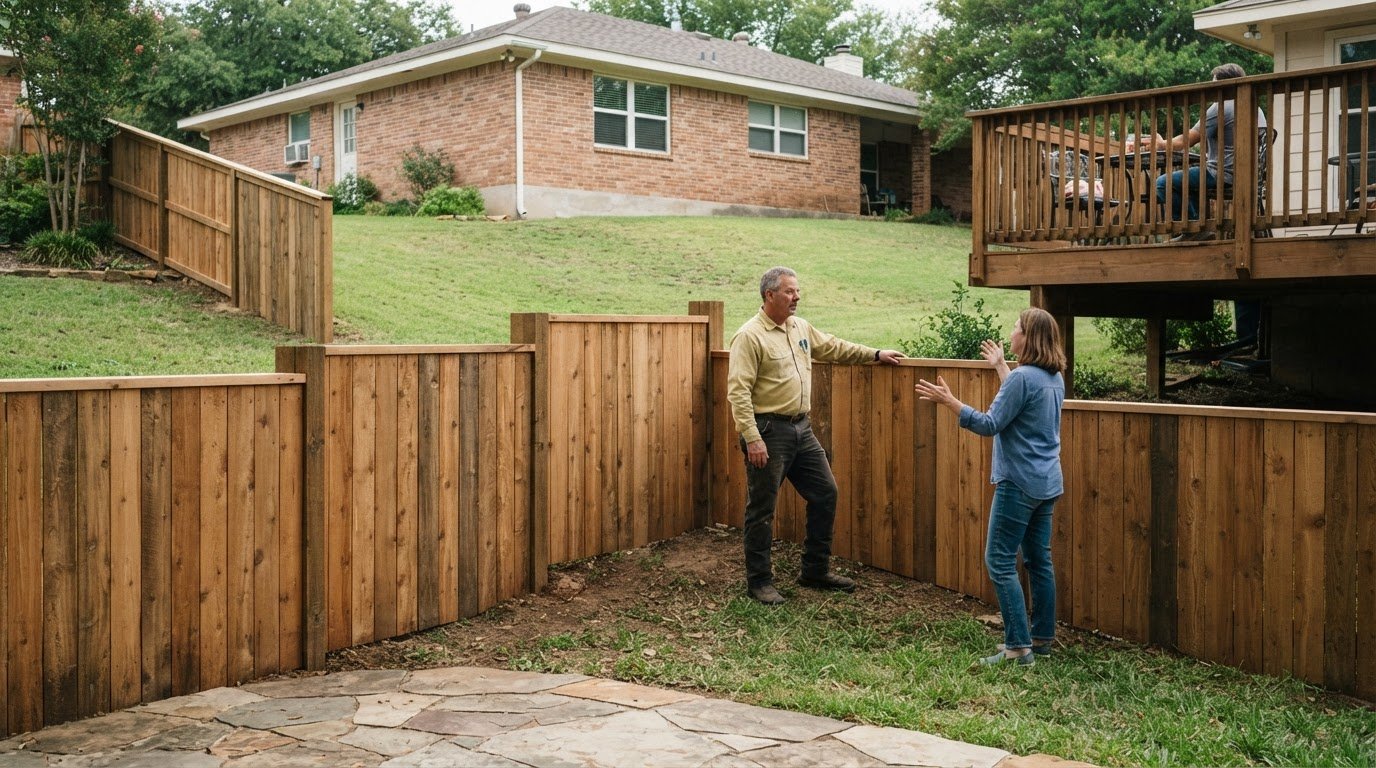
Planning starts with the details that shape the design: your dog’s size and behavior, the yard’s layout, preferred materials, and applicable neighborhood or homeowners association rules. These decisions help define a fence that suits both the property and how you use it. For a home or a broader property project, The Martinez Company can connect fence installation with residential or commercial contracting and outdoor living spaces where relevant.
Contact The Martinez Company to discuss your fence installation plans and the needs your design should address.
Shape a fence around the life you share
A well-planned boundary should do more than contain your dog. It should make the yard easier to use, fit the character of your home, and give your dog room to settle without constant conflict at the fence line. Consider how you want the space to feel for both of you, then carry that vision into the final design.
The most effective pet-friendly fence solutions for dogs start with the realities of your property and your dog’s individual habits. A clear plan turns those needs into a considered structure rather than a collection of quick fixes. The Martinez Company also handles residential and commercial contracting and outdoor living spaces, so fence planning can connect with the broader use of your property.
Contact The Martinez Company to discuss the fence you have in mind. Take the next step toward a yard designed for you and your dog.
Frequently Asked Questions
How big is a typical fence for a dog?
A typical dog fence is often 6 feet tall, though the right dimensions depend on the dog and yard. Smaller dogs may be contained by a 5-foot or 4-foot fence, while a determined jumper may need a taller or differently designed barrier. Consider the whole enclosure, including gate placement and available yard space, rather than choosing by height alone.
How much does a fence for a dog cost?
The cost depends on the project, not a single standard price. Fence length, material, property layout, gates, and installation requirements all affect the scope. For a useful estimate, describe the area to enclose and priorities such as privacy or resistance to climbing. The Martinez Company can discuss the project scope and provide a quote based on its details.
Not Sure Where to Start?
Start by describing the escape problem: where your dog approaches the boundary, what happens beforehand, and whether it jumps, climbs, or digs. Note yard features that influence the design, such as slopes, gates, and nearby landscaping. These observations create a clearer brief for planning a fence that fits your dog and property.
What is the best height fence to keep dogs in?
A 6-foot fence is a common starting height for containing dogs, while a smaller dog may suit a 5-foot or 4-foot option. The best choice depends on the individual dog’s ability to jump or climb, not just its size. Nearby objects can also affect escape risk, so consider what sits beside the fence when assessing the design.
What type of fencing is best for dogs?
The best choice depends on your dog’s size, behavior, and response to outside activity. Solid-board wood can block visual distractions, while coated wire mesh provides a physical boundary with openings selected to suit the dog. These are two pet-friendly fence solutions for dogs with different needs. Small breeds need attention to gaps, while climbers need fewer footholds.
Why does my dog keep escaping?
Dogs may escape because they’re reacting to wildlife or activity, seeking stimulation, or repeating a successful route over or under the fence. Watch when attempts happen and identify whether your dog digs, climbs, or chases something beyond the yard. Pet-friendly fence solutions for dogs work best alongside daily exercise and mental engagement when escape attempts are linked to insufficient activity.
Comments