
How to Restore a Wrought Iron Fence and Repair Rust
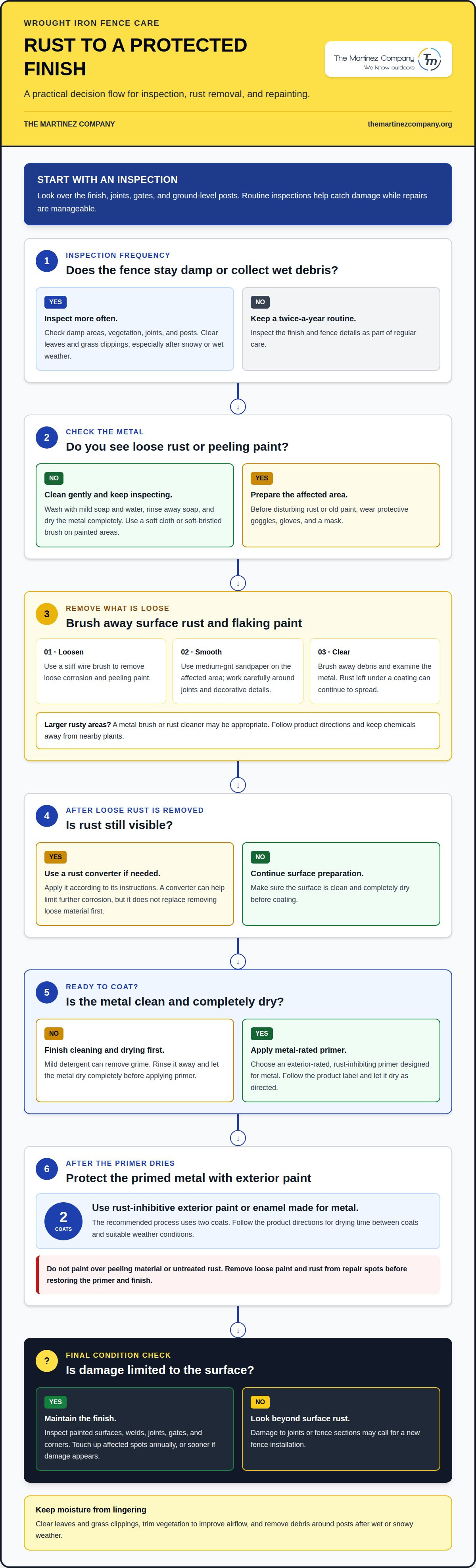
Rust doesn’t have to mean the end of a wrought iron fence. These wrought iron fence maintenance tips start with removing loose rust and peeling paint using a wire brush or sandpaper. Clean and dry the surface before applying a metal-rated, rust-inhibiting primer and exterior paint. Inspect the fence twice a year to catch damage while repairs are still manageable.
Rust spots and peeling paint can make a sturdy fence look neglected, but careful restoration can refresh its appearance and help protect the metal from further corrosion. Clean and prepare the fence, remove surface rust, apply primer and paint, and keep moisture and debris from compromising the finish. Regular care helps you catch small problems early and protect the fence’s appearance and condition.
Table of Contents
How to Remove & Repair Rust?
Coastal and humid climates keep fence surfaces damp, while snowy weather can leave wet debris around posts. Inspect more often when the fence stays wet, and clear leaves, grass clippings, and other debris after winter weather.
Remove Rust with AbrasivesPut on protective goggles, gloves, and a mask before disturbing rust or old paint. Use a stiff wire brush to loosen surface corrosion and peeling paint, then smooth the affected area with medium-grit sandpaper. Work carefully around joints and decorative details to remove rust without damaging sound sections. Larger rusty areas may call for a metal brush or a rust cleaner.
Treat Rust and Peeling PaintRemove loose rust and flaking paint before preparing the surface for painting. Brush away debris and examine the metal, since rust left under a coating can continue to spread. For remaining rust, apply a rust converter according to its instructions. A converter can help limit further corrosion, but it does not replace removing loose material first. Keep chemicals away from nearby plants, and follow the cleaner or converter label.
Adapt Rust Care to Local ClimatesCheck the fence closely where damp conditions linger, especially near vegetation, joints, and ground-level posts. Leaves and grass clippings can hold moisture against the metal, so clear them instead of letting them collect through winter. After snowy or wet weather, remove debris around the posts and let the area dry. Trim vegetation to improve airflow and reduce moisture buildup. Address new rust promptly before it spreads.
For isolated light rust spots, sand gently until the rust flakes away. A wire brush or sandpaper can remove rust, followed by rust inhibitor and repainting. A rust converter can help limit further corrosion after loose rust is removed. Medium-grit sandpaper smooths wrought iron and creates a textured surface that helps paint adhere.
Wear protective goggles, gloves, and a mask when removing rust. Trimming vegetation and clearing debris around a wrought iron fence can reduce moisture buildup and the risk of rust.
Applying rust-inhibiting primer and paint
For wrought iron, choose an exterior-rated, rust-inhibiting primer designed for metal, followed by rust-inhibitive exterior paint made for metal surfaces. These wrought iron fence maintenance tips start with a clean, dry surface: remove old paint and corrosion before applying primer and protective paint. Inspect the finish a few times a year to catch damage early.
Apply Rust-Inhibiting PrimerApply primer only after the prepared metal is clean and completely dry. Select an exterior-rated product designed specifically for metal, and follow its label for surface preparation and application. An aerosol primer can reach intricate bars and joints; hold the can about 8 inches from the fence while spraying. Keep each pass steady, covering exposed material without leaving heavy drips or bare patches. Allow the primer to dry as directed before moving to paint.
Protect the Fence with Paint and CoatingsAfter the primer dries, apply rust-inhibitive exterior paint or enamel designed for metal. Oil-based metal paint is one option; the recommended process uses two coats. Follow the product instructions for drying time between coats and suitable weather conditions. A continuous coating shields the primed surface from moisture. Don’t paint over peeling material or untreated rust, which can compromise the protective finish.
Inspect welds, joints, and painted surfaces a few times a year. Look for scratches, cracks, or peeling that expose the metal, including chips around gates and corners. Touch up affected spots annually, or sooner if damage appears. Remove loose paint and rust from each repair, then restore the primer and finish. Mild detergent can remove grime during preparation, but rinse it away and let the metal dry before coating. These wrought iron fence maintenance tips make regular inspections part of protecting the finish.
How can I Restore Wrought Iron Fencing?
Clean wrought iron with mild soap and water, using a soft cloth or brush, then rinse and dry it completely. This gentle method removes grime without harsh scrubbing that can damage the finish.
Wash with Mild Soap and WaterMix mild detergent with warm water, then wipe each rail with a soft cloth or soft-bristled brush. Work from top to bottom so loosened debris doesn’t settle on cleaned sections. Use enough solution to lift dirt without saturating the joints. Rinse away all soap with clean water, then dry the metal with a lint-free towel or let it air-dry completely.
Clean Intricate CrevicesUse a small nylon brush, such as an old toothbrush, to reach scrollwork, joints, and narrow gaps. Brush gently around welds and decorative details, where dust and grime can collect and hold moisture. A vacuum with a brush attachment can loosen dust before washing. Check each crevice afterward, since trapped debris or leftover soap can undermine a clean surface.
Choose Suitable Cleaning Products and MethodsChoose mild soap or detergent instead of acid-based cleaners, which can damage the paint. A plant-based alkaline soap works for routine fence washing. Avoid abrasive tools on painted areas; use a soft cloth or bristled brush. If chemicals have been applied to nearby grass or plants, rinse the fence with clean water and dry it thoroughly.
Make cleaning part of a twice-a-year care routine, and inspect the fence as you work. Look for dirt around joints, scratches in the protective coating, and grime near the ground. Remove leaves and other debris instead of brushing them into crevices. Rinse every cleaned section, including the lower rails, so detergent doesn’t dry on the finish. A clean, dry surface also makes changes easier to spot at your next inspection.
Why routine wrought iron fence maintenance matters
Inspect hinges, gates, and fence joints regularly. Lubricate moving parts once a year and tighten loose bolts. Wear goggles, gloves, and a mask when sanding rust, and follow product directions when painting.
Maintain Hinges, Gates, and Moving PartsTest each gate for smooth movement during routine inspections. Check that hinges work properly, tighten loose screws or bolts, and replace missing hardware. Lubricate hinges and other moving parts once a year to help prevent them from seizing. If a gate drags or a joint shifts, address the cause before repeated movement puts extra strain on the fence.
Follow Sanding and Painting Safety PrecautionsBefore sanding, put on protective goggles, gloves, and a mask to limit exposure to rust and paint debris. Use a wire brush or sandpaper carefully, especially near joints and decorative details. Before applying primer or paint, follow the product label and keep chemicals away from nearby plants. Don’t paint over loose material, which can weaken the new coating.
Schedule a thorough inspection twice a year, checking welds, joints, scratches, and gate hardware. Routine attention matters because corrosion can spread beneath damaged paint, turning a small surface repair into a structural concern. Clear leaves and grass clippings from around posts, since trapped moisture encourages rust and can hide early damage.Act on what the inspection reveals. Surface rust calls for careful removal and a fresh protective coating, while cracked iron or separated sections may need welding to restore structural integrity. Don’t mistake a polished finish for sound metal: check the joints and connections beneath decorative details. If a section is badly degraded, a professional assessment can help determine whether repair is appropriate.
The Martinez Company: Fence Installation
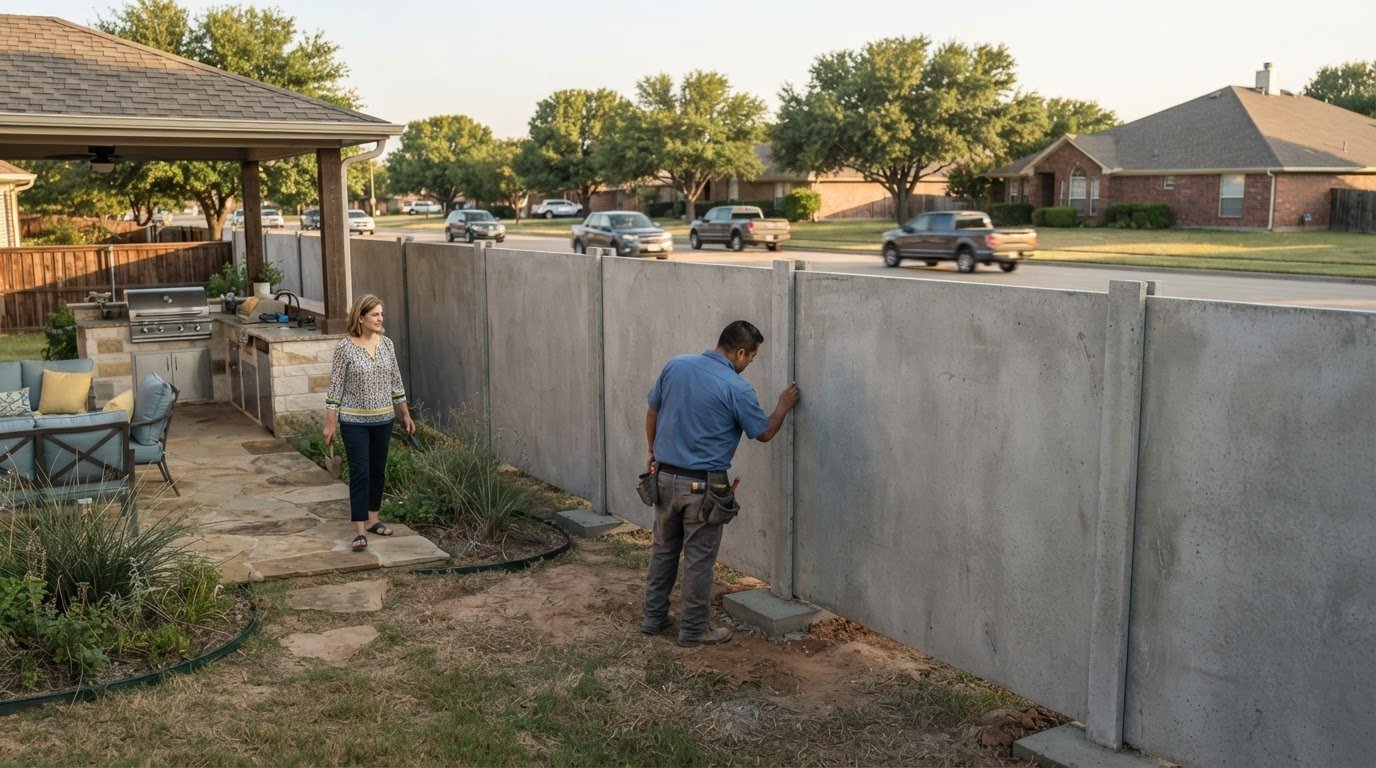
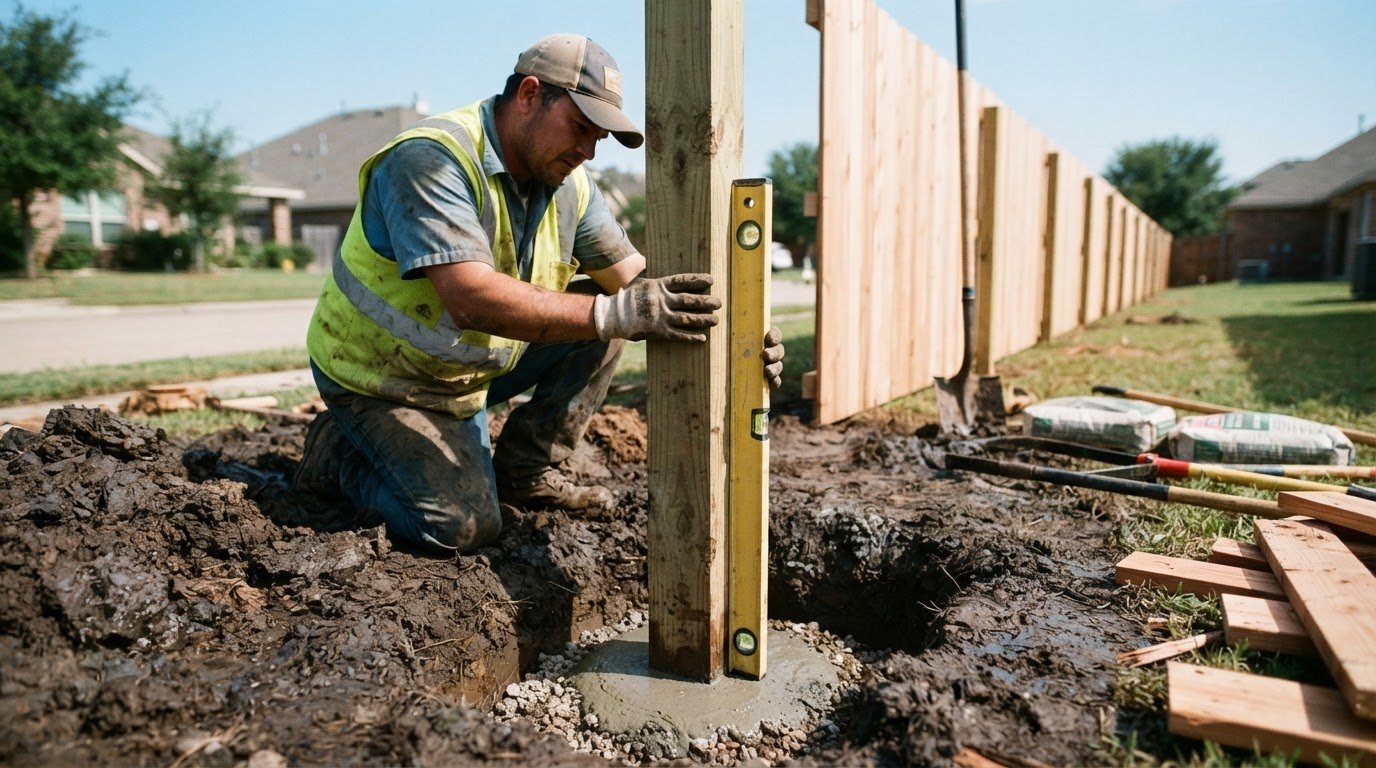
The Martinez Company installs fences when corrosion, damaged sections, or changing property needs make a new fence the practical next step. Routine cleaning and repainting can preserve sound wrought iron, but they can’t restore metal that has lost structural integrity. A new installation can establish a secure boundary and complement a residential or commercial property’s layout.
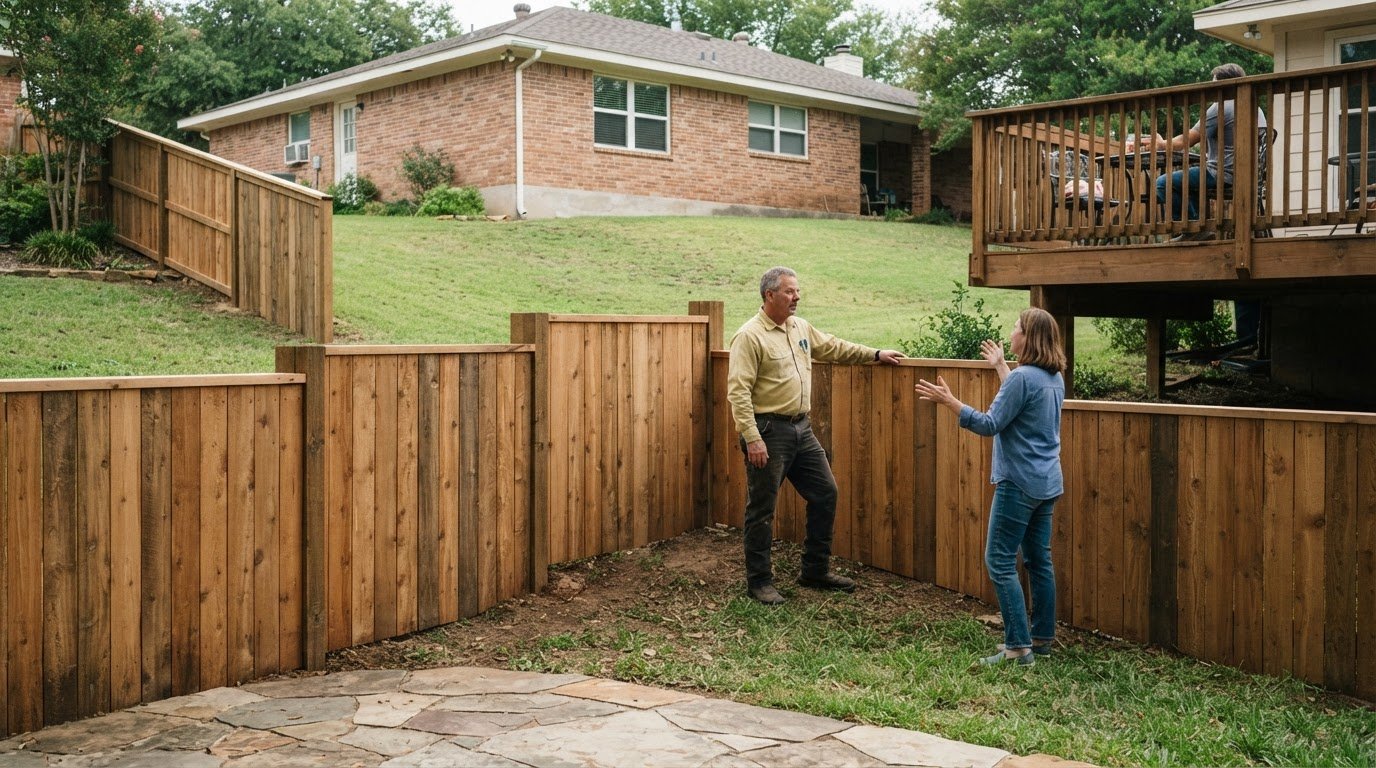
Consider fence installation when sections are extensively weakened, repairs keep recurring, or you’re planning a broader outdoor living space. Choose a design that suits the property’s purpose, boundaries, and appearance. The Martinez Company includes fence installation in its residential and commercial contracting work, helping transform a worn or outdated boundary into a finished project.
Contact The Martinez Company to discuss fence installation for your property.
Set Your Fence Up for the Years Ahead
Make maintenance part of your property’s regular care routine. A brief, consistent inspection helps you notice changes before they shape your next decision. Keep these wrought iron fence maintenance tips close, and use them to judge whether the metal remains sound, needs attention, or has reached the point where a new installation better suits your plans. Look beyond the finish, too: a fence should support how you use and enjoy your outdoor space.
If you’re planning a new fence or considering how it should fit your property, take the next step with a clear sense of your priorities. The Martinez Company works on residential and commercial projects, including outdoor living spaces, so the fence can be considered as part of the broader build. Contact The Martinez Company to discuss your plans. A thoughtful decision now can help shape a secure, well-finished space you’ll be glad to come home to.
Frequently Asked Questions
How often should a wrought iron fence be inspected and maintained?
Inspect the fence thoroughly twice a year, and clean it on a similar schedule. Check welds, gate connections, and areas near the ground, where damage or trapped debris can be easy to miss. After storms or nearby landscaping work, look for fresh scratches, loose hardware, or chemicals left on the finish.
How do you remove rust from a wrought iron fence?
Remove rust by brushing or sanding the affected metal until loose corrosion and paint flakes are gone. For a small spot, work gently with sandpaper; use a stiff wire brush where rust covers a rough or detailed area. Wear goggles, gloves, and a mask. If rust remains, use a rust converter according to its label, then protect the prepared surface.
How do you repaint a wrought iron fence step by step?
Repaint in sequence so each layer bonds to a clean, dry surface. Don’t begin if rain or damp conditions could conflict with the product instructions.
Remove loose paint and rust, then clean and dry the metal.
Apply exterior rust-inhibiting metal primer, following the label.
Finish with two coats of exterior metal paint, allowing the required drying time between coats.
How do you repair peeling paint, scratches, and small rust spots on a wrought iron fence?
Prepare each damaged area before touching it up. Brush away peeling paint, then sand the scratch or rust spot until loose material is gone. Clean off dust and let the metal dry completely. Apply rust-inhibiting metal primer to exposed areas, followed by compatible exterior metal paint. Keep the repair within the sound surrounding paint, and follow the coating label for drying and application.
Comments